Professional Locksmith: The Right Time to Reach Out to Specialists for Your Security Concerns
A qualified lock technician plays an essential role in upholding peace of mind. Most people miss the telltale signs that suggest a need for specialist support. Problems like a faulty security lock or the result of a security breach can jeopardize security. Realizing when to call for assistance is of great importance. As security threats evolve, so do the solutions. What factors should be evaluated before contacting a professional?
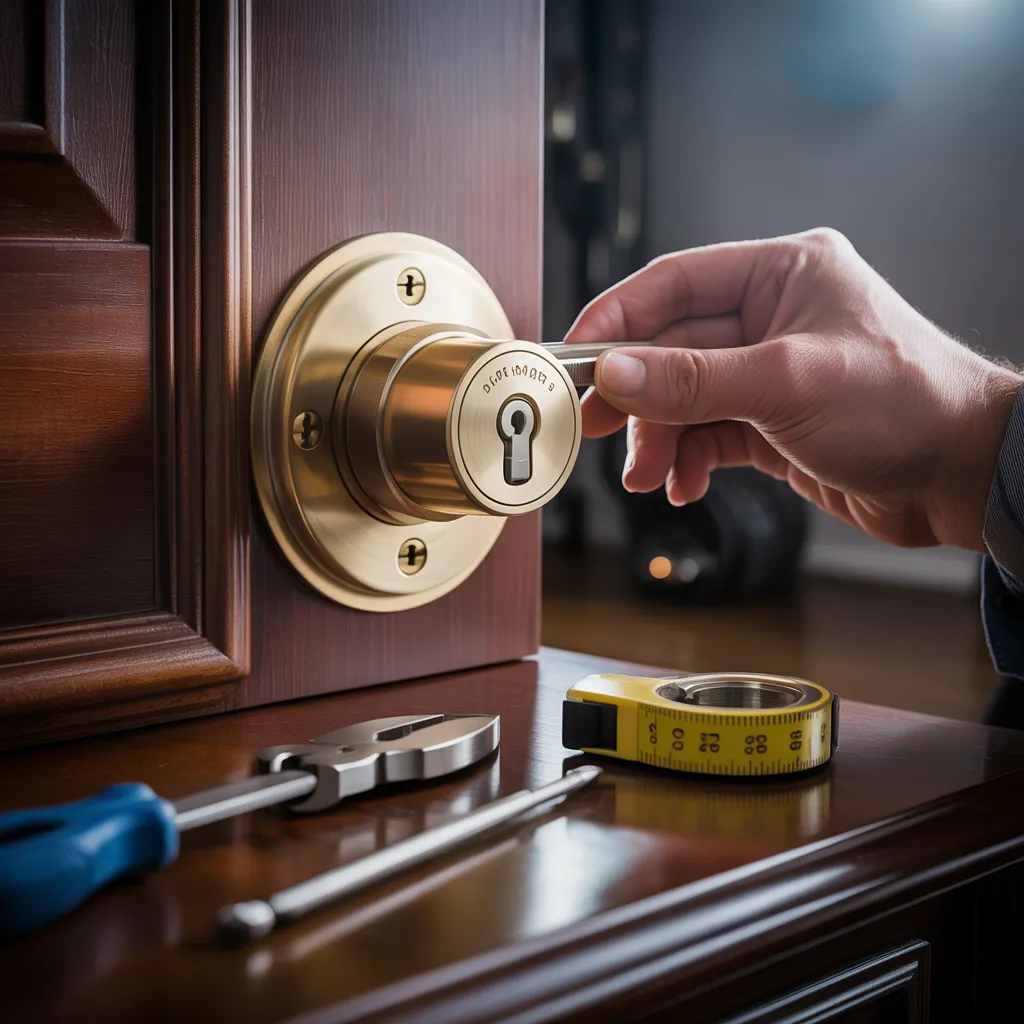
Spotting the Signals: When It's Time to Contact a Locksmith
When is it appropriate to reach out to a locksmith? A person may find it necessary to contact a locksmith when they encounter issues with their locks or security systems. Symptoms including a broken key lodged in the lock or a lock that is increasingly challenging to turn serve as clear warning signs of trouble. Moreover, when a person is repeatedly faced with lockout situations, it may be time to seek the services of a professional locksmith.
Additionally, after moving into a new home, it is prudent to contact a professional locksmith to replace the locks for security purposes. Security upgrades, such as adding advanced locking mechanisms or security alarms, also necessitate the advice of an expert. Finally, if a homeowner detects indications of unauthorized access or tampering, urgent action should be pursued by engaging a locksmith to assess and enhance security measures. Acknowledging these warning signs allows individuals to copyright their safety and sense of security.
Why Contacting a Locksmith When Locked Out Matters?
Finding yourself locked out can be an incredibly frustrating and stressful experience. During these difficult moments, the value of contacting a professional locksmith cannot be emphasized enough. A locksmith possesses the specialized tools and expertise required to address lockouts efficiently and safely, limiting the potential for harm to your property. Attempting to gain entry without professional help can lead to broken locks or doors, resulting in costly repairs.
Moreover, locksmiths are trained to handle numerous types of locks and security systems, ensuring a fast resolution designed for the specific situation. Their familiarity of security protocols also bolsters the safety of the property after re-entry. Additionally, professional locksmiths can provide useful advice on upgrading security measures, minimizing the chance of future lockouts. Ultimately, relying on a locksmith is not just about getting back inside; it is an critical step in protecting both the integrity of the property and the peace of mind of the individual unable to gain access.
How to Handle Being Locked Out?
Finding yourself locked out can be an unsettling situation that calls for quick thinking. The first step is to remain calm and assess the situation. Checking for any open windows or alternate entrances can occasionally offer a quick resolution. When no viable solutions can be found, it is recommended that you reach out to a reliable friend or relative who may be in possession of a duplicate key.
Should these measures prove unsuccessful, professional help becomes necessary. Contacting a locksmith is frequently the best solution for regaining entry in a safe and timely manner. People should refrain from trying to force their way in, as this can result in property damage and expensive repair bills.
Prior to the locksmith's arrival, gathering necessary information, such as identification and proof of residence, can expedite the process. At the end of the day, getting locked out acts as a reminder of the importance of having a backup plan for gaining entry to secured areas.
Why It's Smart to Upgrade Your Locks
Once a lockout situation has been resolved, most homeowners acknowledge the critical nature of home security. Upgrading locks becomes a proactive measure to strengthen home protection. Older locks may not provide adequate protection against contemporary break-in methods, highlighting the need to choose stronger security solutions.
Premium security locks, for example, provide sophisticated features designed to prevent unauthorized entry. These security solutions commonly incorporate pick-resistant technology and resilient materials, providing a more reliable barrier. Additionally, intelligent locks offer ease of use and remote control capabilities, enabling homeowners to oversee their security from any location.
Furthermore, insurance companies may offer improved rates for homes fitted with upgraded security systems, providing financial incentives for homeowners to strengthen their lock systems. Altogether, upgrading locks not only enhances physical security but also cultivates peace of mind, making certain that residents feel safe in their own environment. This well-considered investment is a fundamental step toward robust home security.
What to Expect From a Comprehensive Security Assessment
When residents pursue a detailed security inspection, they can expect a thorough evaluation of their residence's security gaps and advantages. Professional locksmiths begin by inspecting entry points such as garages, doors, and windows to identify potential weaknesses. They examine the integrity and functionality of current locking mechanisms, noting any outdated or damaged mechanisms that may compromise security.
Additionally, the review involves evaluating the nearby environment, considering elements such as area crime statistics and visibility. Lock and security experts frequently suggest additions such as heavy-duty locks or security alarm systems tailored to the unique requirements of the property. They can also offer expertise on access management systems, CCTV systems, and outside lighting recommendations.
The purpose of the assessment is to create a comprehensive report presenting results and proposing practical enhancements, thereby assisting homeowners form knowledgeable determinations about their security arrangements. This precautionary process guarantees a well-rounded strategy for defending the property against the risk of emerging risks.
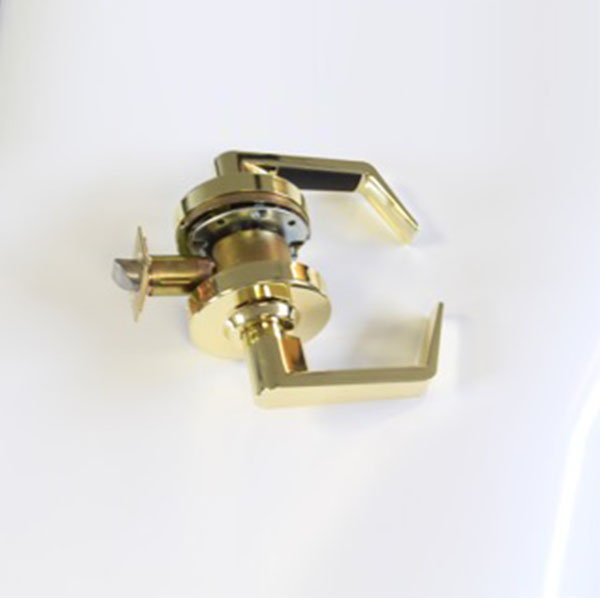
Typical DIY Errors to Avoid When Handling Locks
When addressing lock issues, many individuals make common mistakes that can complicate the issue. Ignoring specific lock types, applying excessive lubricants, and incorrectly handling tools can lead to additional problems. Recognizing these pitfalls is crucial for efficient lock care and protection.
Neglecting Lock Types
Even though many homeowners choose to address lock concerns independently, neglecting to recognize the specific types of locks can lead to costly mistakes. Various locks, including deadbolts, smart locks, and mortise locks, all feature distinct mechanisms and installation specifications. A lack of understanding can result in improper repairs or replacements, potentially compromising security. For instance, attempting to force a key into a misaligned lock can damage both the lock and the key, necessitating expensive replacements. Additionally, mixing up essential guide lock types may lead to ineffective solutions and further complications. In order to steer clear of these mistakes, homeowners should carefully examine their locks and consult a professional locksmith whenever they are uncertain about their individual needs.
Excessive Use of Lubricants
Homeowners often make the mistake of overusing lubricants on their locks, thinking that more is better for smooth operation. This widespread misunderstanding can result in an accumulation of too much lubricant, which collects dirt and grime, leading to locks that become difficult to operate or completely jammed. Various lock types call for particular lubricants; to illustrate, graphite tends to be the preferred option for pin tumbler locks, while silicone sprays are suitable for others. Applying too much lubricant can generate a slick surface that interferes with the lock's mechanism, causing the lock to become harder to operate. Rather than enhancing performance, too much lubrication can result in expensive repairs or require the assistance of a professional locksmith. Knowing the correct quantity and variety of lubricant is key to keeping locks performing at their best.
Misusing Tools the Right Way
Misusing tools during lock repairs can lead to frustrating outcomes and potential damage. A large number of DIY individuals overlook how critical it is to use the appropriate tool. For instance, employing a screwdriver instead of a dedicated lock pick can strip screws or break internal mechanisms. Moreover, exerting excessive force can lead to locks jamming or becoming permanently damaged. Frequent errors involve using pliers to rotate a key or trying to force open a stuck lock without the right technique. These mistakes commonly cause further issues that necessitate professional help. To avoid these pitfalls, individuals should familiarize themselves with lock mechanisms and the specific tools designed for lock repairs. If uncertain, seeking advice from a qualified locksmith can save time and avoid expensive errors.
Questions and Answers
How Do I Find a Reliable Locksmith Service?
To identify a reputable locksmith company, you should check online reviews, verify credentials, confirm insurance coverage, and ask for recommendations. Reviewing multiple choices enables informed decisions, resulting in reliable and trustworthy service.
What Credentials Should a Professional Locksmith Possess?
A trustworthy locksmith needs to carry designations such as Certified Locksmith (CL), the Registered Locksmith (RL) designation, and the Master Locksmith (ML) certification from established professional organizations. These certifications reflect expertise, professionalism, and compliance with industry benchmarks, providing assurance of quality service to clients.
Are Locksmith Services Offered 24 Hours a Day?
Locksmith services are often available 24/7, delivering critical support in emergency situations including lockouts and security vulnerabilities. Numerous skilled locksmiths emphasize availability, guaranteeing that customers can get assistance at any time, regardless of the time.
How Much Do You Usually Pay for Locksmith Services?
The cost of locksmith services usually ranges from $50 to $150 for routine jobs, such as lock rekeying and lockout assistance. Nevertheless, specialized work and emergency services may incur higher fees, often surpassing the $200 mark subject to the nature of the work required.
Is a Locksmith Able to Assist With Electronic Security Systems?
Certainly, a locksmith can help with electronic locking systems. Locksmiths have the expertise to install, repair, and maintain numerous electronic security mechanisms, providing optimal performance and security for commercial and residential properties alike.